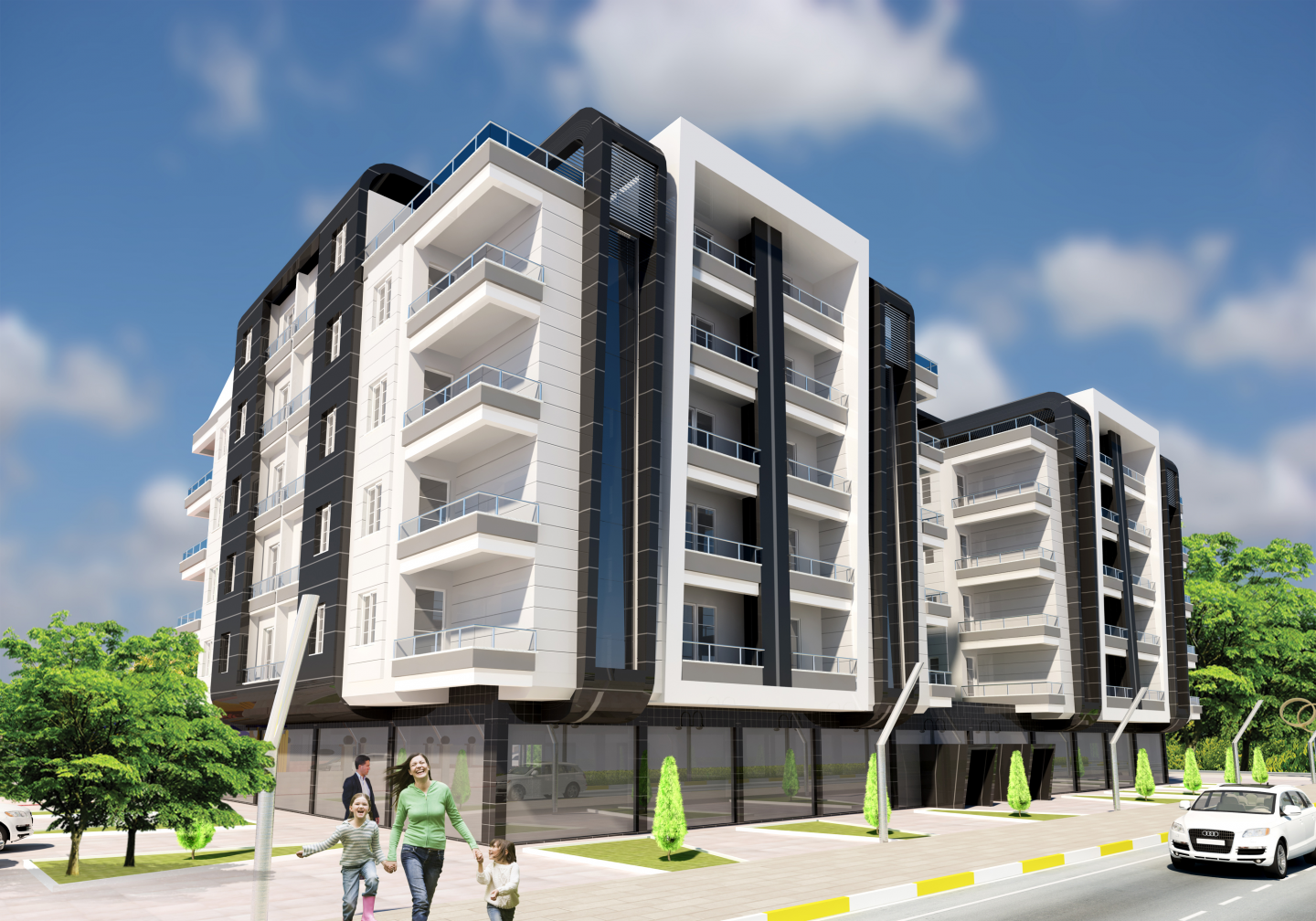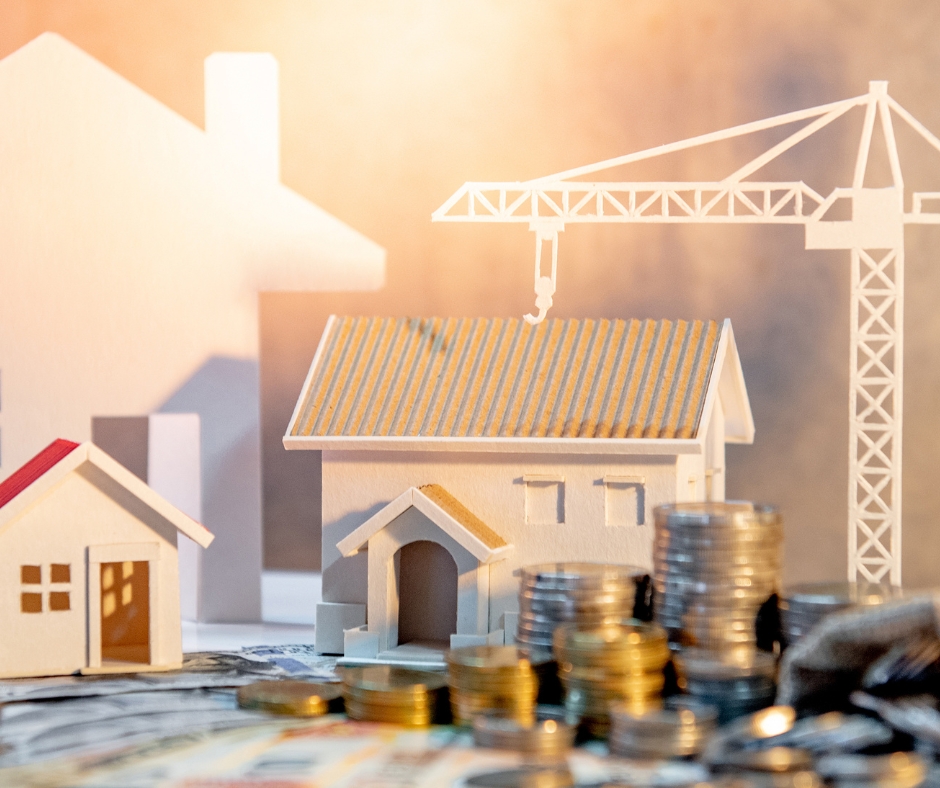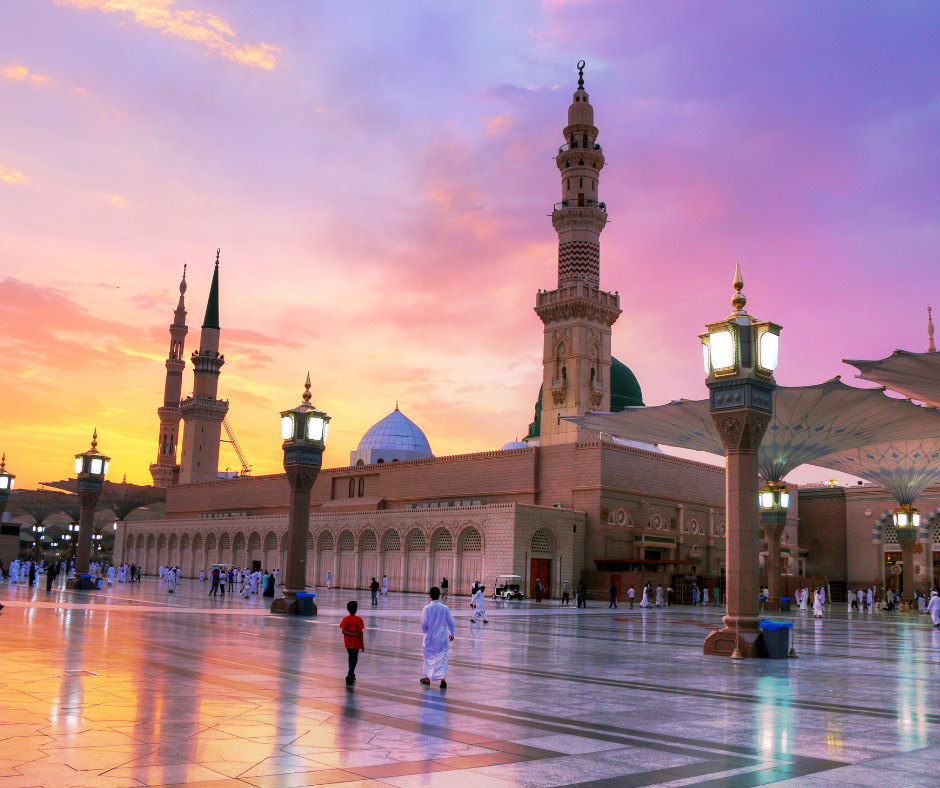


Modern commercial buildings have become a central element in urban development and economic growth. They are no longer just spaces for sales or work, but have evolved into smart investment tools that support sustainability, innovation, and business expansion. With rapidly changing market demands and increased competition, choosing the right commercial building has become a strategic decision that directly affects the success of commercial and administrative projects.
The commercial building sector is witnessing significant advancements in design, technology, and operational flexibility, especially in active markets like Saudi Arabia. This comprehensive guide explores the concept of commercial buildings, their types, key selection criteria, and their role in supporting investment according to modern trends.
What Are Commercial Buildings and Why Are They a Core Pillar for Cities?
Commercial buildings are structures specifically designed to accommodate various economic activities such as shops, offices, showrooms, and shopping centers. These buildings are distinguished by their ability to handle high daily traffic, whether from customers or employees.
The importance of commercial buildings lies in their role as:
-
A key driver of economic activity
-
A fundamental element in attracting investments
-
A support for the expansion of companies and institutions
-
A factor influencing the increase in urban real estate value
In modern cities, commercial buildings play an advanced role in organizing business activities and providing flexible operational environments that keep pace with market developments and the needs of companies.
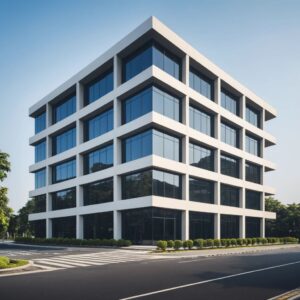
Types of Commercial Buildings and Their Different Uses
1. Traditional Commercial Buildings
Designed for small to medium businesses such as shops, cafés, and daily service outlets. They are characterized by easy accessibility and high foot traffic, making them ideal for activities that rely on direct visitors.
2. Shopping Complexes and Malls
Provide a complete shopping experience with multiple stores, restaurants, and entertainment services. This type increases customer dwell time and purchasing opportunities, boosting investment returns.
3. Administrative Commercial Buildings
Used as headquarters for companies and institutions, featuring offices equipped with modern technologies. These buildings enhance productivity and provide an organized, professional work environment.
4. Warehouses and Logistics Buildings
Designed for storing goods and managing supply chains. They play a crucial role in supporting large-scale commercial activities and e-commerce.
5. Multi-Use Commercial Towers
Combine offices, retail stores, and services within a single building. They are among the most attractive commercial buildings for investors due to the diversity and sustainability of income they offer.
Criteria for Choosing the Ideal Commercial Building
Strategic Location
Location is a critical factor for the success of any commercial building. It should be close to:
-
Main roads
-
Vibrant districts
-
Business centers
-
Public services
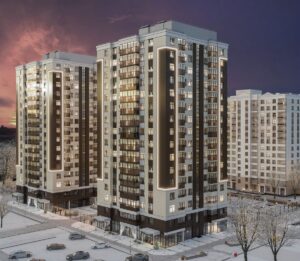
Additional Criteria for Choosing a Commercial Building
Design and Construction Quality
Modern design, flexible space layouts, and high-quality finishes increase the building’s value and make it more attractive to tenants.
Infrastructure and Technology
Modern commercial buildings must provide:
-
High-speed internet
-
Advanced air conditioning systems
-
Smart elevators
-
Security and surveillance systems
These features are essential standards in today’s commercial buildings.
Investment Feasibility
A thorough study should include:
-
Expected return on investment
-
Operating costs
-
Leasing flexibility
-
Market demand
Sustainability
Sustainable buildings attract companies looking to reduce operational costs and enhance their corporate image.
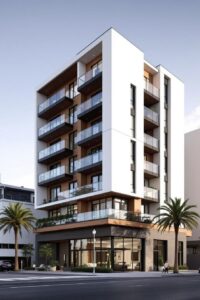
The Future of Commercial Buildings Under Saudi Vision 2030
Saudi Arabia is experiencing a qualitative transformation in the real estate development sector, supported by Vision 2030, which focuses on:
-
Economic Diversification
-
Development of Modern Business Environments
-
Supporting Local and Foreign Investment
-
Enhancing Quality of Life
This trend has led to increased demand for smart commercial buildings, fully equipped offices, and flexible spaces that meet the needs of startups and large enterprises.
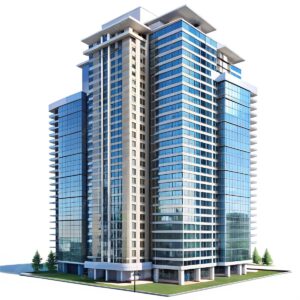
Frequently Asked Questions About Commercial Buildings
What is a commercial building?
A commercial building is a facility used for economic purposes such as retail, services, or administrative activities.
What is the difference between a commercial and administrative building?
Commercial buildings focus on customer interaction, while administrative buildings are dedicated to internal business operations.
Are commercial buildings suitable for long-term investment?
Yes, especially in prime locations with consistent demand.
What are the key requirements for commercial buildings?
Compliance with regulations, provision of parking spaces, safety standards, and flexible design.
Which types of commercial buildings are most in demand?
Modern office buildings and multi-use commercial complexes.
If you are looking for an investment-ready commercial building that combines quality, strategic location, and modern design, Step Real Estate Development offers integrated development solutions that meet modern market demands and support long-term business success.
📞 Contact us now and start your investment with confidence.