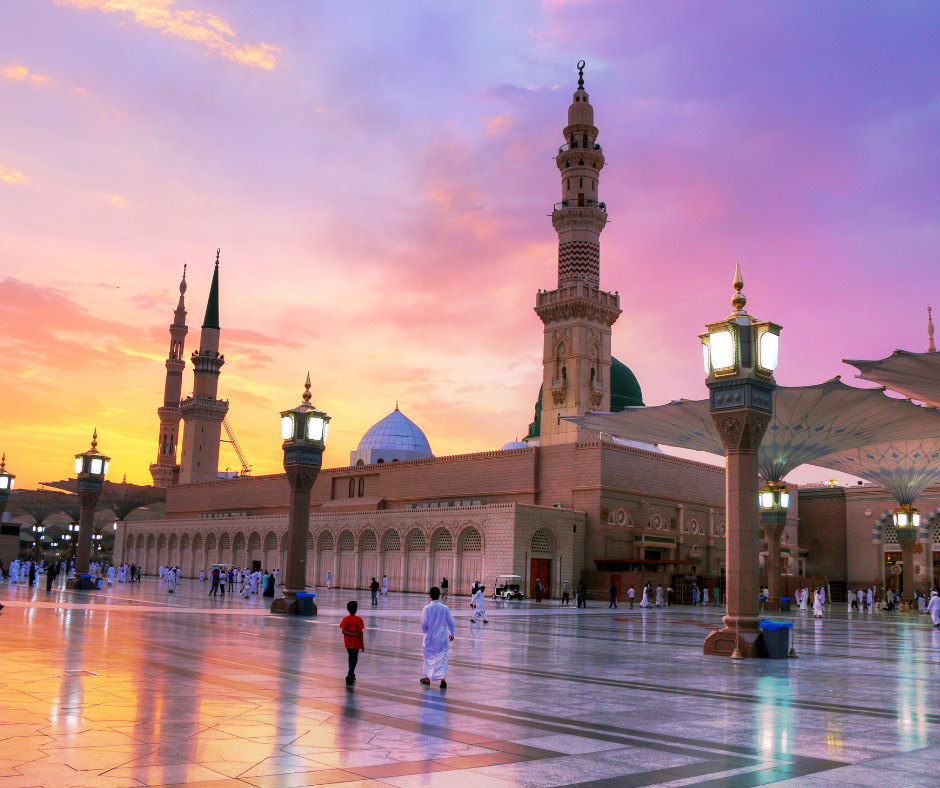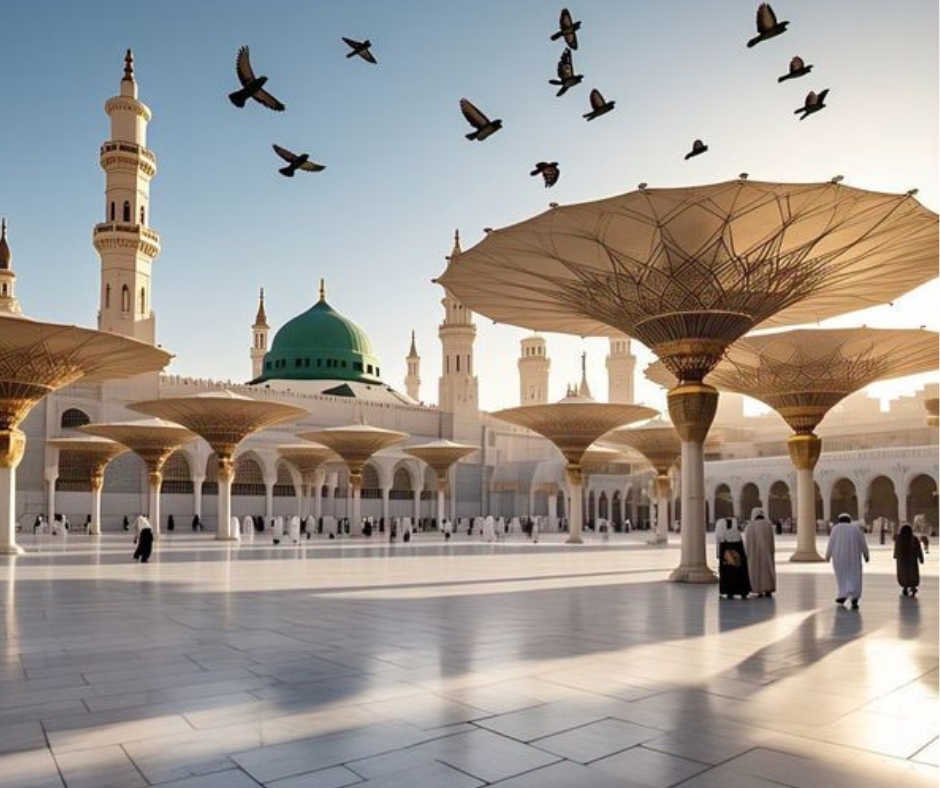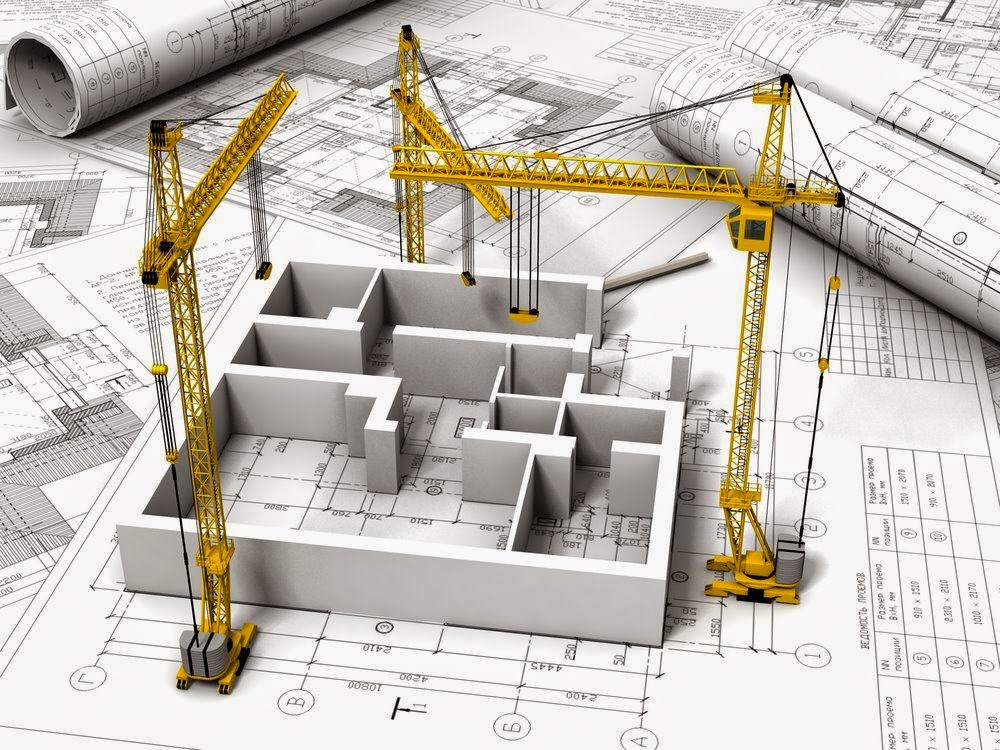


Al-Madinah Al-Munawwarah is no longer just a city of immense religious significance; today, it has become an integrated urban model that combines spiritual depth, historical heritage, and modern urban development. This remarkable transformation did not happen by chance, but is the result of a clear vision aimed at making the city an ideal environment for living, visiting, and long-term investment.
But what makes urban development in Al-Madinah different from elsewhere?
And why has the city become one of the most attractive Saudi cities for residence and investment?
Why Does Al-Madinah Receive Such Urban Attention?
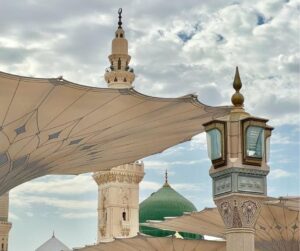
This focus can be summarized in several key factors:
1️⃣ The city’s global religious status
2️⃣ The continuous growth in population and visitor numbers
3️⃣ The need to develop services and infrastructure
4️⃣ Support from the Kingdom’s Vision for sustainable urban development
Together, these factors created the necessity to develop the city in a way that preserves its sanctity while keeping pace with modern life requirements.
First: Smart Urban Planning that Blends Heritage and Modernity
Authorities ensured that urban planning in Al-Madinah remains balanced by:
-
Preserving the city’s Islamic character
-
Respecting the privacy of areas near the Prophet’s Mosque
-
Providing fully serviced modern neighborhoods
How Has This Impacted Residential Areas?
The city has witnessed organized expansion in new residential districts characterized by:
-
Smart distribution of facilities and services
-
Wide, carefully planned streets
-
Dedicated pedestrian spaces
-
Emphasis on privacy and safety
This planning has created a family-friendly environment and significantly improved quality of life.
Second: Strong Infrastructure Supporting Future Growth
No city can grow without advanced infrastructure—and this has been a major focus in Al-Madinah.
Key Infrastructure Developments:
-
Expansion of major road networks
-
Construction of modern bridges and tunnels
-
Upgrading water and sewage systems
-
Improving public lighting
All of which helped to:
✔ Reduce traffic congestion
✔ Organize traffic flow
✔ Enhance road safety
Especially in areas surrounding the Prophet’s Mosque, which experience high visitor density year-round.
Third: A Modern Transportation System Facilitating Mobility
Has transportation development impacted daily life in the city?
Simply put: yes, significantly.
The Haramain High-Speed Railway is one of the most transformative projects in Al-Madinah, as it:
-
Connects the city with Makkah and Jeddah
-
Greatly reduces travel time
-
Facilitates movement for pilgrims and visitors
-
Supports economic and real estate activity
Additionally, modern internal transportation projects have contributed to:
-
Reducing reliance on private cars
-
Improving the daily commuting experience for residents
Fourth: Advanced Healthcare Services Meeting Residents’ and Visitors’ Needs
With the increasing number of residents and visitors, comprehensive healthcare development became essential.
What Has Changed?
Al-Madinah has witnessed:
-
An increase in the number of hospitals
-
Establishment of specialized medical centers
-
Modernization of medical equipment
-
Improved quality of healthcare services
This development enhanced residents’ sense of health security and raised the standard of care provided to visitors.
Fifth: Educational Development and Human Capital Building
True development begins with people, which is why Al-Madinah has placed strong emphasis on education.
Key Educational Developments:
-
Establishment of modern universities
-
Expansion of institutes and specialized colleges
-
Diverse academic programs
-
Support for technical and vocational education
This expansion has contributed to:
✔ Qualifying national talents
✔ Providing diverse educational opportunities
✔ Supporting the local labor market
Sixth: Recreational Facilities and Green Spaces Enhancing Quality of Life
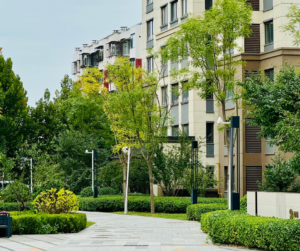
Urban development is no longer limited to housing and services—it also includes recreation and social well-being.
Key Recreational Developments:
-
Public parks and gardens
-
Family-friendly green spaces
-
Modern shopping centers
-
Integrated entertainment zones
These facilities have created an important balance between work life and psychological well-being, making the city more attractive for living and stability.
Seventh: Sustainable Development with a Long-Term Vision
How does the city balance growth while preserving the environment?
Al-Madinah adopts sustainable development principles through:
-
Expanding green areas
-
Improving resource management
-
Rationalizing energy consumption
-
Long-term urban planning
This approach ensures continued development without harming the environment or losing the city’s identity.
Frequently Asked Questions About the Future of Al-Madinah

Will Al-Madinah continue its urban growth?
Yes, according to well-studied plans that focus on quality over density.
Does modern development affect the city’s religious identity?
On the contrary, development has come to preserve and strengthen that identity.
Is the city suitable for long-term residence?
Absolutely—especially with the availability of modern services and infrastructure.
Urban development and modern services in Al-Madinah represent a unique urban model that combines spirituality, organization, and quality of life. The city has successfully achieved a delicate balance: a modern city that does not lose its sanctity, and a developed destination that remains faithful to its history.
Today, Al-Madinah stands as one of the most future-ready cities—for living, visiting, or investing—supported by a clear vision and balanced development that reflects its exceptional place in the hearts of Muslims worldwide.