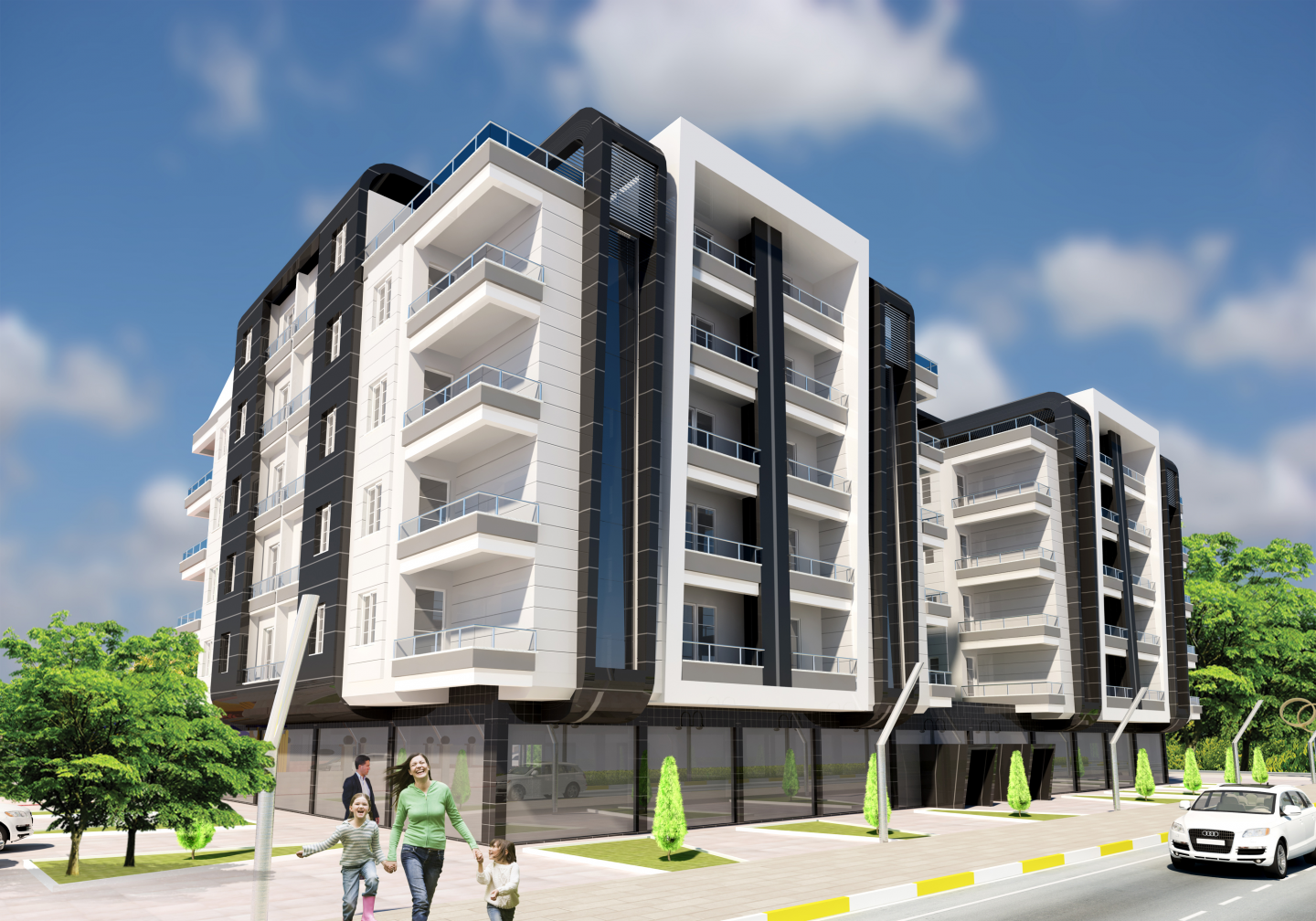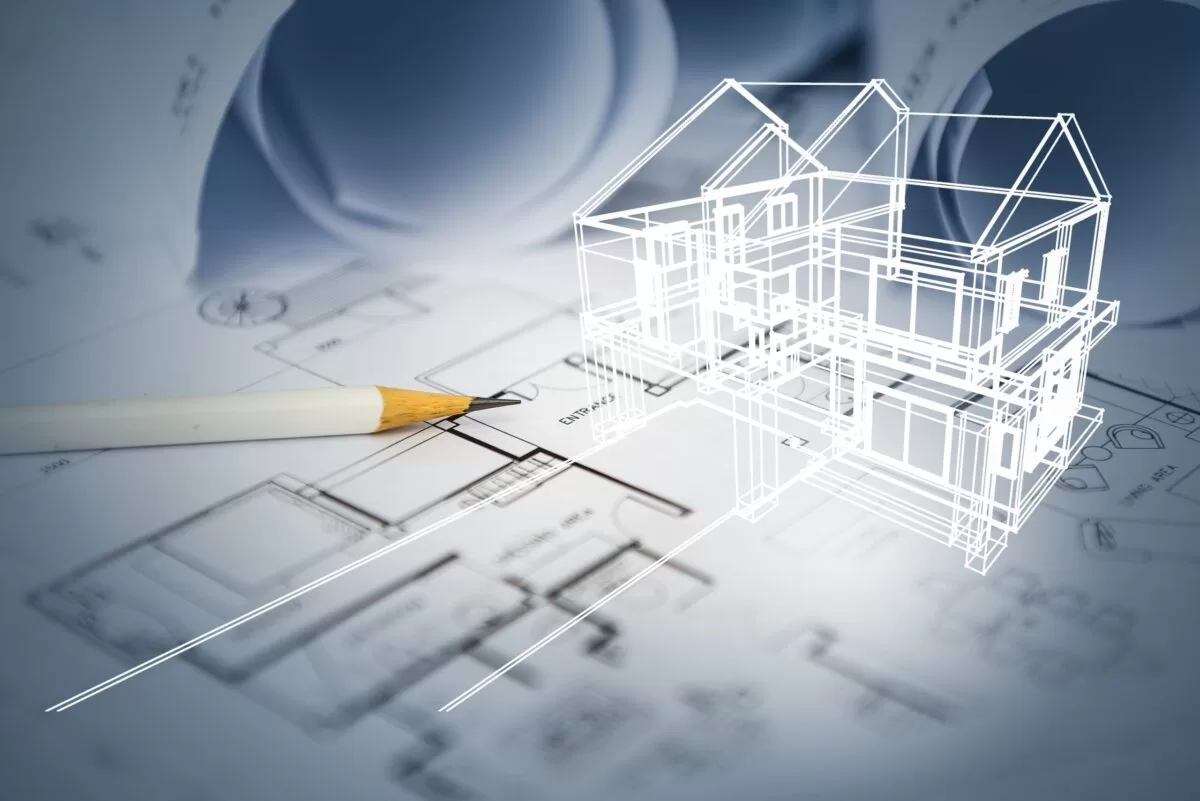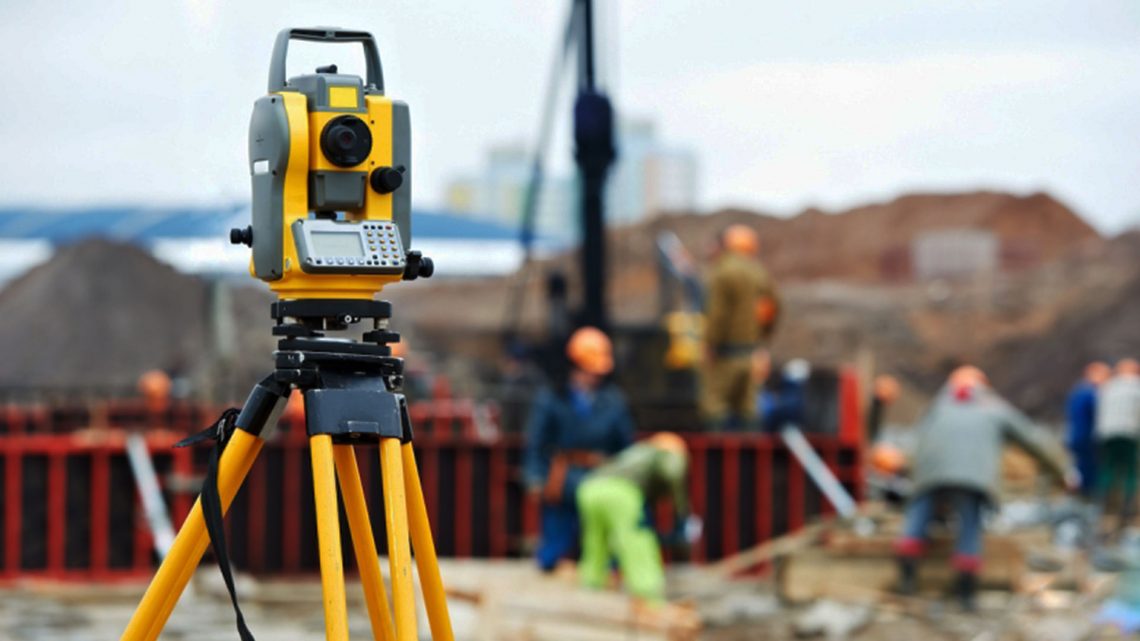


Good architectural design plays a crucial role in the success of any real estate project, whether residential or commercial. It goes beyond aesthetics to include functional efficiency, building sustainability, and long-term structural integrity. In contrast, random or unplanned design leads to major problems, including high maintenance costs, reduced property value, and ongoing operational risks. In this article, we explore the key differences between good and random design and how they affect a building’s lifespan.
What is Good Architectural Design?
Good architectural design is a carefully planned approach that considers several essential elements, including:
-
Functional efficiency: Smart distribution of spaces to meet user needs.
-
Sustainability: Using materials and techniques that protect the environment and reduce energy consumption.
-
Aesthetics and harmony: Integrating the building’s exterior with its surroundings for a cohesive and attractive look.
-
Safety and stability: Applying engineering and structural standards to prevent future risks.
This type of design forms the foundation for extending a building’s lifespan and reducing long-term maintenance costs.
What is Random Design?
Random design is a design executed without adequate study of engineering and environmental factors and often lacks:
-
Proper planning of interior and exterior spaces.
-
Accurate evaluation of materials used.
-
Safety and sustainability standards.
-
Aesthetic harmony with the surrounding environment.
As a result, buildings suffer from ongoing issues such as cracks, water leaks, ventilation problems, and faster material deterioration, reducing lifespan and increasing operational costs.
Impact of Design on Building Lifespan
Good Design:
-
Minimizes emergency maintenance.
-
Increases market value of the property.
-
Extends the infrastructure’s service life.
-
Ensures user comfort and energy efficiency.
Random Design:
-
Leads to early structural issues.
-
Increases maintenance and repair costs.
-
Reduces market appeal.
-
Poses risks to users and owners.
Importance of Engineering Consultations in Ensuring Ideal Design
Engineering and architectural consultations play a pivotal role in achieving integrated design by providing:
-
Comprehensive analysis of the site and surrounding environment.
-
Selection of suitable materials and techniques to ensure building sustainability.
-
Oversight during execution to ensure compliance with plans and engineering standards.
-
Innovative solutions that combine aesthetics with functional efficiency.
With proper consultations, developers and project owners can avoid costly mistakes and ensure a longer building lifespan.
How to Choose the Optimal Architectural Design
-
Clearly define the project goals (residential, commercial, or mixed-use).
-
Work with a trusted engineering consultancy (such as Step).
-
Consider sustainability and energy efficiency standards.
-
Prepare precise plans for interior and exterior spaces.
-
Review plans with experts to ensure quality and minimize waste.
If you are looking for architectural design that guarantees high-quality execution and long-term building sustainability, Step provides the best engineering and architectural solutions with close supervision from concept to final
delivery.

📞 Contact us now for a free consultation and transform your project into a sustainable and robust building.