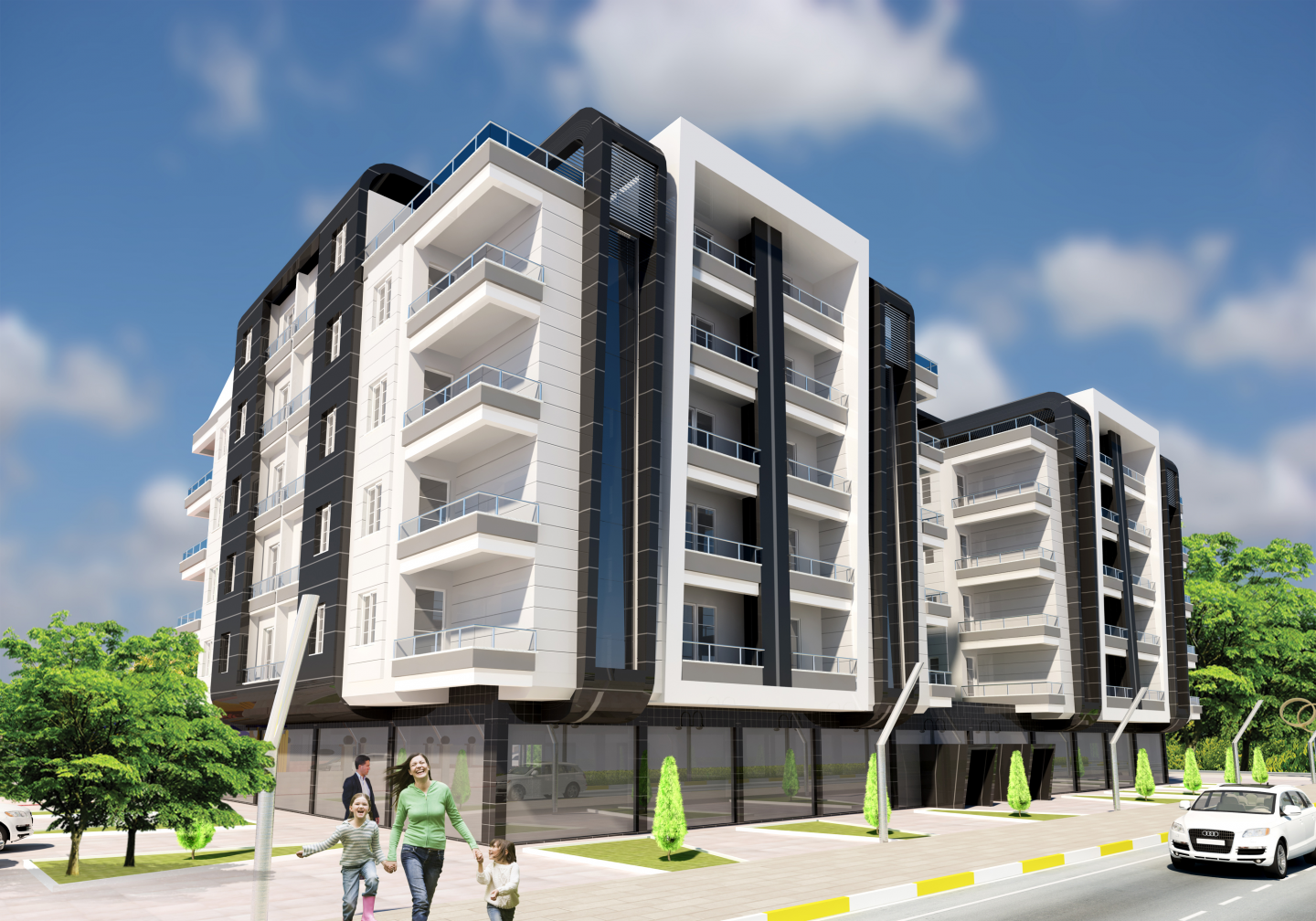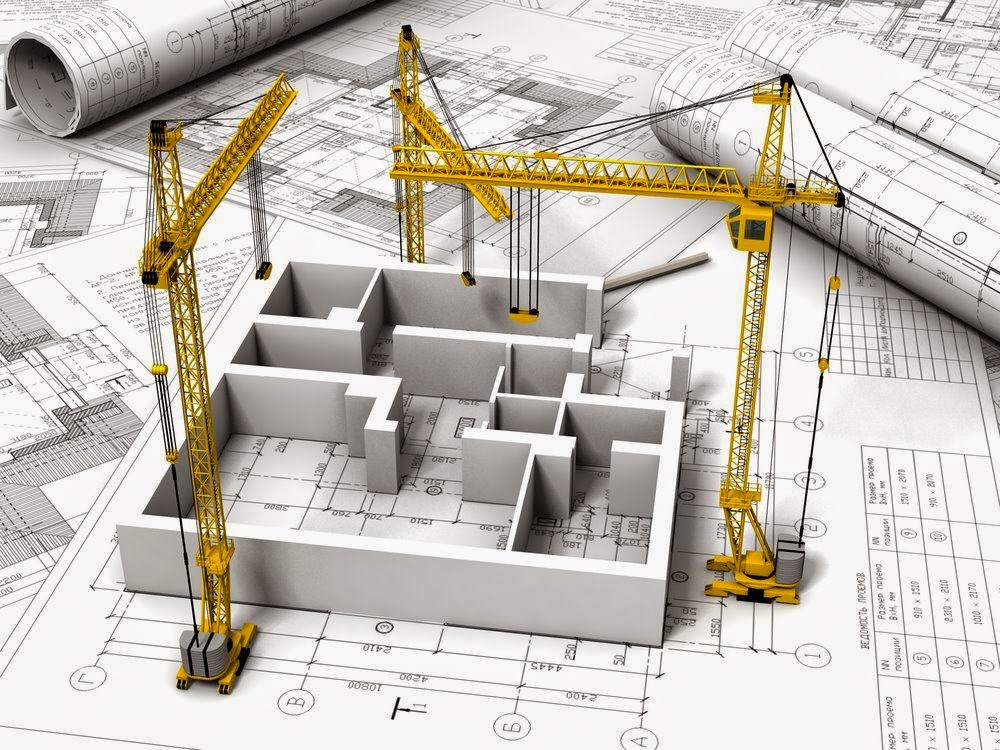


In modern engineering projects, success is no longer only about execution—it begins with the initial idea and extends through planning, design, supervision, and finally delivering a high-quality project.
Step stands out as a trusted engineering partner, guiding every project step by step with professionalism, precise engineering standards, and a clear vision that ensures maximum value for the client.
In this article, we outline the engineering project journey with Step, from the initial idea to delivering a project built to the highest technical and architectural standards.
Stage 1: Transforming the Idea into a Clear Engineering Vision
Every successful project starts with an idea, but turning it into reality requires a deep understanding of client needs and careful study of objectives.
At Step, the journey begins with:
-
Consultation sessions to understand project requirements
-
Analysis of project type (residential, commercial, investment)
-
Site assessment and review of regulations and requirements
-
Setting a preliminary budget and timeline
Goal: Create a practical engineering vision ready for implementation and avoid arbitrary decisions that may affect the project later.
Stage 2: Engineering Studies and Professional Planning
Once the vision is defined, Step moves to planning and technical studies, forming the foundation of any successful engineering project.
This stage includes:
-
Preliminary architectural and engineering studies
-
Technical and economic feasibility analysis
-
Risk assessment and potential challenges
-
Overall spatial and functional planning
Benefits of early planning:
-
Reduces unexpected costs
-
Speeds up execution phases
-
Ensures compliance with local regulations and the Saudi Building Code

Stage 3: Integrated Architectural and Engineering Design
Design transforms ideas into clear plans that reflect the project’s identity.
Step offers:
-
Modern, practical architectural designs
-
Integrated structural, electrical, and mechanical plans
-
Well-thought-out interior and exterior designs
-
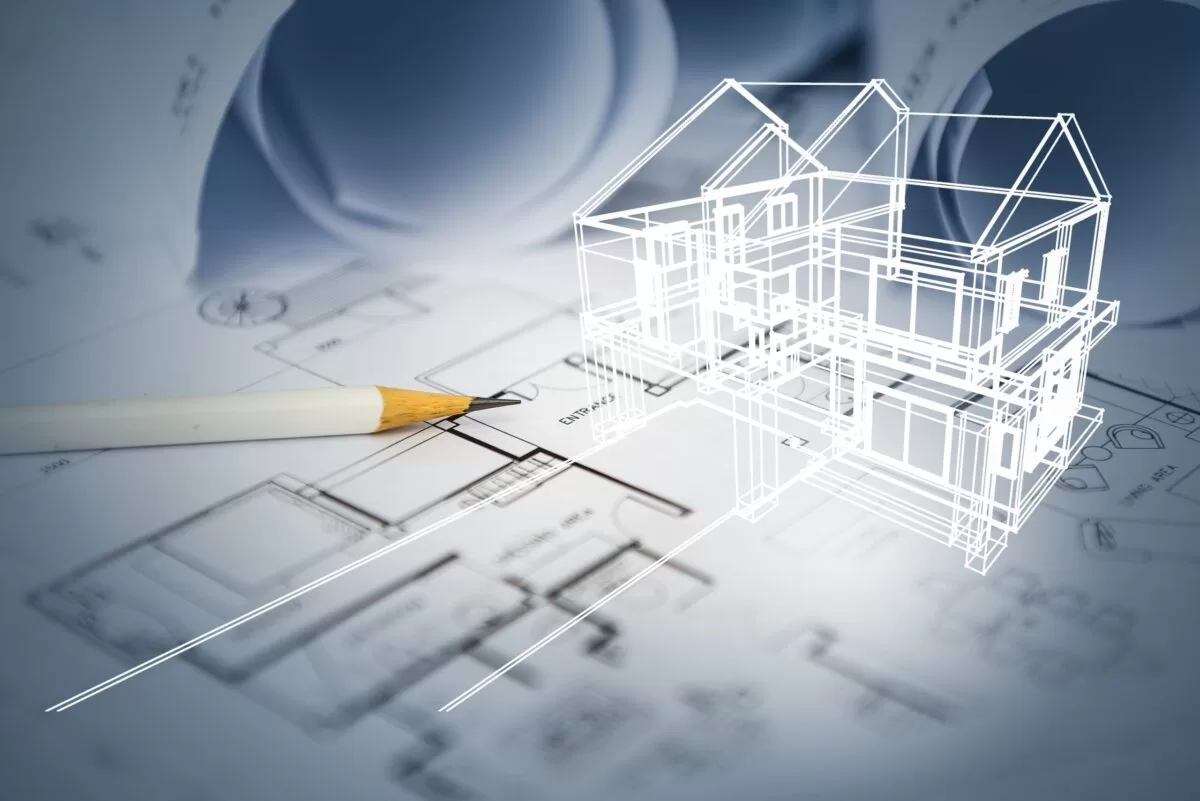
3D models to visualize the project before execution
Step focuses on achieving a balance between:
-
Architectural aesthetics
-
Functional efficiency
-
Sustainability
-
Cost control

Stage 4: Permits and Preparation for Execution
Before execution, Step handles:
-
Preparing approved engineering documentation
-
Coordination with relevant authorities
-
Obtaining necessary permits
-
Reviewing plans according to applicable regulations
Benefits:
-
Project starts on time
-
Avoids regulatory violations
-
Protects client investment from legal risks
Stage 5: Engineering Supervision and Execution Management
Execution without professional supervision can lead to costly mistakes. Step provides meticulous engineering supervision to ensure the project is executed as planned.
Supervision includes:
-
Field monitoring of execution phases
-
Ensuring quality of materials used
-
Compliance with plans and timelines
-
Resolving technical issues during construction
-
Providing periodic reports to the client
Stage 6: Inspection, Delivery, and Post-Execution Services
Before final handover, Step conducts:
-
Comprehensive inspection of executed work
-
Verification of plan compliance
-
Addressing final observations
-
Delivering the project ready for use
Step’s relationship with clients does not end at delivery; it also provides:
-
Post-execution consultations
-
Technical support when needed
-
Ongoing quality follow-up in the short term

Why Step is the Ideal Engineering Partner
Choosing Step means working with a team that:
-
Possesses integrated engineering and architectural expertise
-
Adheres to professional standards and the Saudi Building Code
-
Places the client’s interests at the center of every decision
-
Offers smart solutions aligned with market trends and Vision 2030